Summary
Assess water hardness and plumbing conditions before deciding whether to install a softener. Calcium and magnesium leave scale inside water heaters, faucet cartridges, toilet valves, and shower heads. A softener removes those minerals through ion exchange before water reaches fixtures and appliances.
Good results start with a water test. Test results, household size, and peak demand decide the softener type and capacity. A spot near the main water line, ahead of the water heater, with a nearby drain and a heated space should meet the manufacturer’s location and temperature requirements. Regeneration discharge usually goes to a sanitary drain with an air gap rather than a sump pit.
Water hardness varies across York Region, so homes in Richmond Hill, Aurora, and nearby communities benefit from testing before buying. Homes with basement apartments and commercial buildings with shared systems need sizing for combined demand. Ask the installer to explain the main line connection, bypass valve, and drain routing.
The kettle grows a chalky crust. The shower head sputters where it once sprayed evenly. A new dishwasher leaves a cloudy film on every glass. Each sign looks minor on its own. Together, they point to hard water working through a home’s plumbing, one mineral layer at a time.
Hard water rarely causes one dramatic failure. It causes slow, steady wear. Minerals settle inside water heaters, faucet cartridges, toilet valves, and shower heads. Over time, that scale forces equipment to work harder and wear out sooner.
A residential water softener installation addresses the cause rather than the symptoms. The right system, sized correctly and placed in the right spot, treats water supplied to connected fixtures. The wrong system, or a rushed install, creates new problems. Installation planning should address salt use, drain routing, and exposure to freezing.
This guide walks through how hardness is tested, how softeners work, and which types suit which homes. It explains what a professional water softener installation involves and how softened water affects water heaters, drains, sump pits, and shared building systems. Homeowners, landlords, and property managers across Richmond Hill, Aurora, and the wider GTA can use it to make a confident decision before booking any work.
What Hard Water Does to Home Plumbing
Hard water carries dissolved calcium and magnesium. These minerals stay invisible in a glass of water. They show up once water heats or evaporates, leaving a white, chalky deposit called scale.
Heat speeds the process up. That is why water heaters, kettles, and dishwashers often show scale first. Inside a tank water heater, minerals settle at the bottom and form a crusty layer. The heater then burns more energy to deliver the same hot water, and the tank often starts to pop or rumble.
Scale also builds inside the small passages of everyday fixtures:
- Aerators and showerheads clog, so flow becomes weak and uneven.
- Faucet cartridges and valves stiffen and wear out sooner.
- Toilet fill valves and flappers collect deposits and fail to seal properly.
- Washing machine and dishwasher inlet valves gather mineral grit.
None of this happens overnight. Hard water damage is gradual, which is exactly why people ignore it. By the time a faucet drips or a water heater rumbles, the minerals have been at work for a long while. A closer look at how a residential water softener reduces plumbing scale shows where that buildup hides inside a typical home.
How Water Hardness Is Measured and Tested
Water hardness measures the concentration of dissolved calcium and magnesium. Canadian water reports usually express it in milligrams per litre (mg/L) as calcium carbonate. Softener manufacturers often use grains per gallon instead. Both units describe the same thing, and a plumber converts between them when sizing equipment.
Ways to check hardness include:
- Municipal water quality reports. Regional and municipal suppliers publish annual drinking water reports. These show typical hardness for the system serving an area. They describe the supply, not the water at a specific tap.
- Home test strips. Strips give a quick colour reading. Confirm whether the test method provides suitable results for equipment selection.
- On site water testing. A plumber tests water at the home itself, usually near where the main line enters. That reading drives softener selection.
Ask whether the water assessment includes a separate iron test. Iron in groundwater can stain fixtures and coat a softener’s resin over time. A home with noticeable iron may need a different setup or extra pretreatment. J.A. Plumbing Inc. offers water testing for impurities, which helps when a homeowner suspects more than hardness alone.
Signs a Home May Need a Water Softener
Most homes show hard water symptoms long before anyone runs a test. Common signs include:
- White or chalky crust on faucets, shower heads, and glass shower doors
- Spots and cloudy film on dishes after a dishwasher cycle
- Soap and shampoo that barely lather
- Stiff, dull laundry and greying whites
- A water heater that pops, rumbles, or takes longer to heat
- Shower heads with blocked nozzles and a lopsided spray
- Toilets that run because fill valves no longer seal
One sign alone may have another cause. A rumbling water heater might simply need flushing. A running toilet might need a new flapper. These symptoms warrant investigation. Test for hardness before recommending a softener.
How a Water Softener Treats Household Water
A conventional water softener uses ion exchange. Hard water flows through a tank filled with small resin beads. Those beads hold sodium or potassium ions. As water passes over them, calcium and magnesium trade places with those ions and stay stuck to the resin. Softened water then continues to the home’s fixtures.
Eventually the resin fills up with hardness minerals. At that point the softener regenerates. Salt in a separate brine tank dissolves into a strong salt solution. That brine rinses through the resin, strips off the trapped minerals, and recharges the beads. The used brine and minerals flow out through a drain line.
The following components handle this cycle:
- Resin tank: holds the beads that capture hardness minerals.
- Brine tank: stores salt and mixes the brine used for regeneration.
- Control valve: directs water flow and decides when regeneration runs.
Types of Water Softeners Used in Homes
Several system types show up in GTA homes. Each one suits a different situation.
| Type | Removes hardness minerals | Uses salt | Needs a drain | Typical fit |
|---|---|---|---|---|
| Salt based softener | Yes | Yes | Yes | Suitability confirmed through a supplier assessment |
| Salt free conditioner | No | No | No | Homes that want scale reduction without salt |
| Softener with filtration media | Yes | Yes | Yes | Suitability depends on water testing and the treatment capabilities of the selected equipment. |
Ask the supplier how the proposed system supplies water during regeneration and whether it suits household demand.
Salt free conditioners work differently. They do not remove calcium and magnesium. Ask the supplier for evidence supporting the proposed conditioner’s scale reduction claims under the property’s water conditions. They need no salt and no regeneration drain. Confirm the expected results and limitations of the proposed conditioner.
Matching Softener Capacity to Household Demand
Softener capacity is usually rated in grains. That rating describes how much hardness the resin can remove before it needs to regenerate. Sizing matters in both directions.
An undersized unit regenerates too often. It burns through salt and water, and hard water can slip through during busy mornings. Compare capacity, service flow, regeneration settings, and operating requirements when selecting equipment.
A proper sizing assessment looks at:
- Hardness level from the water test
- Iron content, which adds to the resin’s workload
- Number of people living in the home
- Number of bathrooms and fixtures that run at the same time
- Daily habits such as laundry volume and long showers
- Service flow rate, so pressure holds when several taps open at once
Future plans matter too. A basement apartment or secondary suite adds an entire household to the same water supply. Sizing only for current occupants can leave the system short once tenants move in.
Where a Water Softener Is Installed in a Home
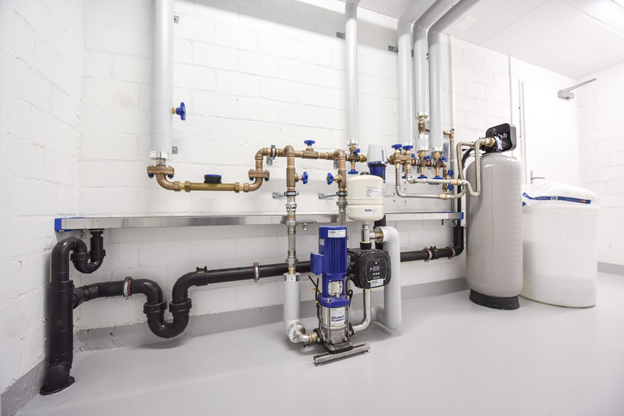
Most whole home softeners sit close to where the main water line enters the house, after the water meter and main shutoff valve. In GTA homes, that usually means the basement utility or mechanical room, near the water heater and furnace.
Placement is not just about finding an empty corner. Several factors shape the final spot:
- Ahead of the water heater. Softened water should reach the heater, so scale protection covers hot water lines too.
- Outdoor taps left on hard water. Garden hoses do not need softened water, and skipping them saves salt.
- A drain within reach. Regeneration needs a floor drain, laundry tub, or standpipe close by.
- Access to power. Most control valves plug into a standard outlet.
- A heated, dry space. Tanks and drain lines must stay above freezing.
What Happens During a Softener Installation
A professional water softener installation service follows a clear sequence. Each step protects the home’s plumbing and the new equipment.
- Assessment and water test. The plumber confirms hardness, checks for iron, inspects the main line, and notes pipe material and water pressure.
- System selection and sizing. Test results and household demand determine the type and capacity of the softener.
- Location planning. The plumber confirms drain access, power, clearance, and the right point to cut into the main line.
- Shutoff and cut in. The main water supply is shut off and drained down. The plumber then cuts into the main line ahead of the water heater.
- Bypass valve installation. A bypass lets the household keep running water if the softener ever needs service.
- Drain line and air gap. The regeneration drain line runs to an approved drain point with an air gap. That gap stops wastewater from siphoning back toward the softener.
- Startup and programming. The plumber adds water and salt to the brine tank, enters hardness and household settings, and runs a first regeneration.
- Leak checks and testing. Every joint gets checked under pressure. A follow up hardness test confirms the system is softening.
- Homeowner walkthrough. The plumber shows how to add salt, read the control panel, and use the bypass valve.
Timing for a home water softener installation depends on the utility room layout, drain access, and existing piping. The plumber confirms timing after the assessment. Some municipalities may also require a plumbing permit for certain water treatment work, so the installing plumber should confirm local requirements before starting.
How Softened Water Protects Connected Systems
A softener protects more than faucets. Review which fixtures and appliances will receive treated water and confirm their water quality requirements. A few need planning.
Water Heaters and Scale Buildup
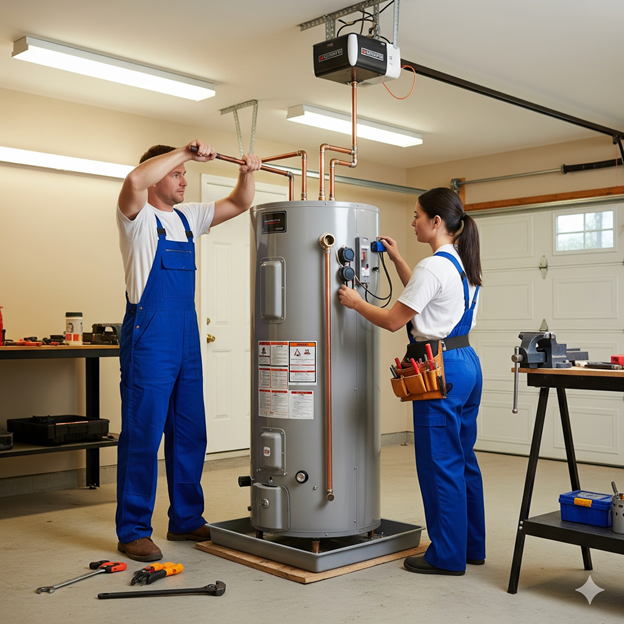
Include the water heater when assessing scale and water treatment requirements. In a tank heater, scale collects at the bottom and insulates the water from the heat source. In a tankless heater, minerals coat the narrow passages of the heat exchanger and restrict flow.
Discuss scale management alongside the water heater manufacturer’s maintenance requirements. Follow the water heater manufacturer’s water quality and maintenance requirements when considering a softener. Review dishwasher and washing machine water quality requirements separately, as covered in this look at what water softeners mean for residential appliance lifespan.
Drains, Traps, and Fixture Buildup
Hard water and soap combine to form a sticky scum. That scum coats tub and shower drains, then traps hair and debris. Over time, it narrows the pipe and slows drainage.
Investigate drainage and fixture problems separately rather than assuming softening will resolve them. Gurgling, recurring clogs, and backups are covered in these signs a drain may need snaking.
Sump Pits and Softener Discharge
Every regeneration cycle sends salty water and flushed minerals down the drain line. Where that discharge ends up matters.
In most GTA homes, the sump pit collects groundwater from the foundation drain. The sump pump then sends that water outside or toward the storm system, which is meant for clean water. Routing softener brine into the pit can send salt water onto lawns or into storm drains. Salt can also corrode pump components over time.
For these reasons, plumbers usually route softener discharge to a floor drain, laundry tub, or standpipe that connects to the sanitary drain, with a proper air gap. Discharge rules vary by municipality, so the installer should confirm what applies locally. Homes with a basement sump should also keep the sump pump installation and replacement side of the system in good working order, separate from the softener. Homeowners choosing a new pump can first compare pedestal vs. submersible sump pumps.
Utility Rooms During Cold Weather
A softener holds water in its tanks, valve, and drain line. If that water freezes, it can crack the resin tank, damage the control valve, or split the drain line.
Most basement utility rooms stay warm enough. Problems show up in garages, unheated additions, cold storage rooms, and crawl spaces. Drain lines routed along an exterior wall can also freeze during a deep GTA cold snap, even when the softener itself stays warm. This guide on where to check for frozen pipes in older homes covers the most common cold spots.
Planning the location with winter in mind prevents most of these issues. When pipes near the softener do freeze, fast action limits damage, and frozen pipe repairs should come before restarting the unit.
Commercial Buildings With Shared Water Systems
Commercial properties face the same chemistry at a larger scale. Hotels, restaurants, and coffee shops rely on equipment that hard water punishes: espresso machines, commercial dishwashers, ice machines, and boilers. Office buildings feel it in washroom fixtures and water heaters serving many floors.
Shared water systems add another layer. Shopping malls combine commercial kitchens, food court tenants, washrooms, and office space on one supply. A single softening system must handle peak demand across all of them. Confirm equipment requirements and plan any shutdowns around tenant operations.
Facility managers weighing this option can review commercial water softener installation separately from residential systems, since sizing and scheduling work differently.
Water Softener Installation in Richmond Hill and Aurora
Water hardness varies across York Region because neighbourhoods draw from different supply sources. In communities such as Aurora and Newmarket, the supply includes local groundwater. Check the current municipal water report and test water at the property before selecting equipment.
Test the water at the property before choosing equipment. A water test at the tap shows whether a softener will make a real difference for a specific home.
Local housing adds its own considerations:
- Assess bathroom use, laundry demand, and water heater requirements at the property.
- Aurora, Newmarket, and Stouffville mix older homes with newer builds. Older properties may have tight mechanical rooms or aging supply lines that shape where a softener can go.
Timing matters too. Book an assessment to discuss installation requirements and current availability. It also helps to work with licensed plumbers for winter water softener installs in Aurora rather than an unlicensed installer working on the main line.
Pairing a Softener With Reverse Osmosis Filtration

A softener and a reverse osmosis (RO) system do different jobs. The softener handles hardness for the whole house. Assess a reverse osmosis system separately against the drinking water treatment requirements.
Before combining these systems, review the following:
- Confirm pretreatment requirements with the reverse osmosis system manufacturer.
- If sodium reduction is a priority, request performance documentation for the proposed system.
Plumbers usually install the softener first in the line and the RO system under the sink. Confirm which water tests are needed to select compatible treatment equipment. Homeowners weighing filtration can review reverse osmosis water filter installation alongside a softener quote.
Maintenance That Keeps a Softener Performing
Softener maintenance is simple, but skipping it slowly erodes performance. A short routine covers most of it:
- Check salt levels and refill the brine tank according to the manufacturer’s instructions.
- Break up salt bridges. A hard crust can form across the tank, so water never reaches the salt and regeneration fails quietly.
- Use clean pellets or crystals of the type the manufacturer recommends, and clear out sludge when it builds up.
- Ask the supplier whether the test results require additional treatment or manufacturer approved resin care.
- Update settings when household size changes, and check the bypass valve and drain line for drips or kinks.
Signs an Existing Softener Needs Service
Softeners tend to fail quietly. Hard water symptoms creep back long before the unit stops completely. Watch for these signs:
- Spots, scale, and poor lather return
- Salt use changes unexpectedly
- Standing water fills the brine tank
- Water pressure drops after the softener
- The unit regenerates constantly or not at all
- Water pools around the tanks or control valve
- Small beads appear in faucet aerators or toilet tanks
An active leak needs faster action. Switching the bypass valve isolates the softener while keeping water running to the home. Contact J.A. Plumbing Inc. to ask about service availability.
Water Softeners in Multi Unit Residential Buildings
Toronto’s housing demand has pushed many owners toward basement apartments, duplexes, triplexes, quadplexes, and laneway homes. Each conversion requires a review of shared and separate water treatment options.
System selection depends partly on the property’s water service arrangement.
- Shared water service. When all units draw from one main line, a central softener is usually the practical choice. Assess whether a shared system suits the building’s demand and maintenance arrangements.
- Separate services or meters. When units have independent supply lines, separate softeners give each household its own system and keep responsibilities clear.
Size the proposed system for combined demand across the connected units. Ask the supplier to assess water availability during regeneration against the building’s requirements.
Renovation is the ideal moment to plan softening. Walls are open, the mechanical room layout is still flexible, and drain access is easier to arrange. Adding a softener after drywall goes up usually costs more effort. Owners planning a conversion can fold this into broader renovation plumbing services so the water supply, drains, and softener work as one system.
Conversion projects also involve permits and building requirements, which the plumbing contractor and designer should confirm for the specific property.
Choosing a Licensed Plumber for the Installation
Installing a water softener involves connecting equipment to the water supply, building a drain connection with backflow protection, and matching equipment to the home’s water. Mistakes show up as leaks, poor softening, or wastewater routed to the wrong place.
Several checks separate a sound installer from a risky one:
- Licensing. Work on the main water line should be done by a licensed plumber who understands Ontario plumbing practices.
- Insurance and workplace coverage. Request current documentation and clarify the coverage applicable to the proposed work.
- A water test before a quote. A plumber who recommends a system without testing is guessing.
- Proper drain routing. A careful installer explains where the regeneration discharge will go.
- Warranty terms. Request written details of any installation and equipment warranties, including exclusions.
- A written quote. Scope, equipment, and any piping changes should appear in writing before work begins.
Contact J.A. Plumbing Inc. to discuss the proposed installation. The company’s residential water softener services cover testing, sizing, installation, and follow up care for homes across the GTA.
Book a Water Softener Assessment
Hard water wears down a home’s plumbing quietly. Scale builds in water heaters, fixtures, and valves long before anything fails. A properly sized and installed softener slows that damage and makes everyday water use easier.
Good results start with a water test. From there, the right system type, capacity, and location follow. Careful drain routing and freeze protection support ongoing operation when the softener is maintained according to the manufacturer’s instructions. Homes adding a secondary suite, and commercial properties with shared systems, need extra planning for peak demand.
Contact J.A. Plumbing Inc. to book a water softener assessment in Richmond Hill, Aurora, or anywhere across the GTA.
Frequently Asked Questions
How long does a softener installation take?
Timing depends on the utility room layout, drain access, and existing piping. The plumber confirms it after the on site assessment.
Where is a softener installed in a basement?
It usually sits near the main water line entry, after the meter and shutoff and ahead of the water heater. It also needs a nearby drain, a power outlet, and a heated space.
Can softener discharge drain into a sump pit?
It is usually not the preferred route. Sump pits often discharge outdoors or toward the storm system, so plumbers typically send brine to a sanitary drain with an air gap, following local rules.
Does softened water help a water heater last longer?
Do not assume a longer service life. Follow the heater manufacturer's water quality and maintenance requirements. Routine heater maintenance still matters.
How long does a residential water softener last?
Service life varies with water quality, iron content, usage, and maintenance. Ask a service technician to assess whether repair or replacement is appropriate.