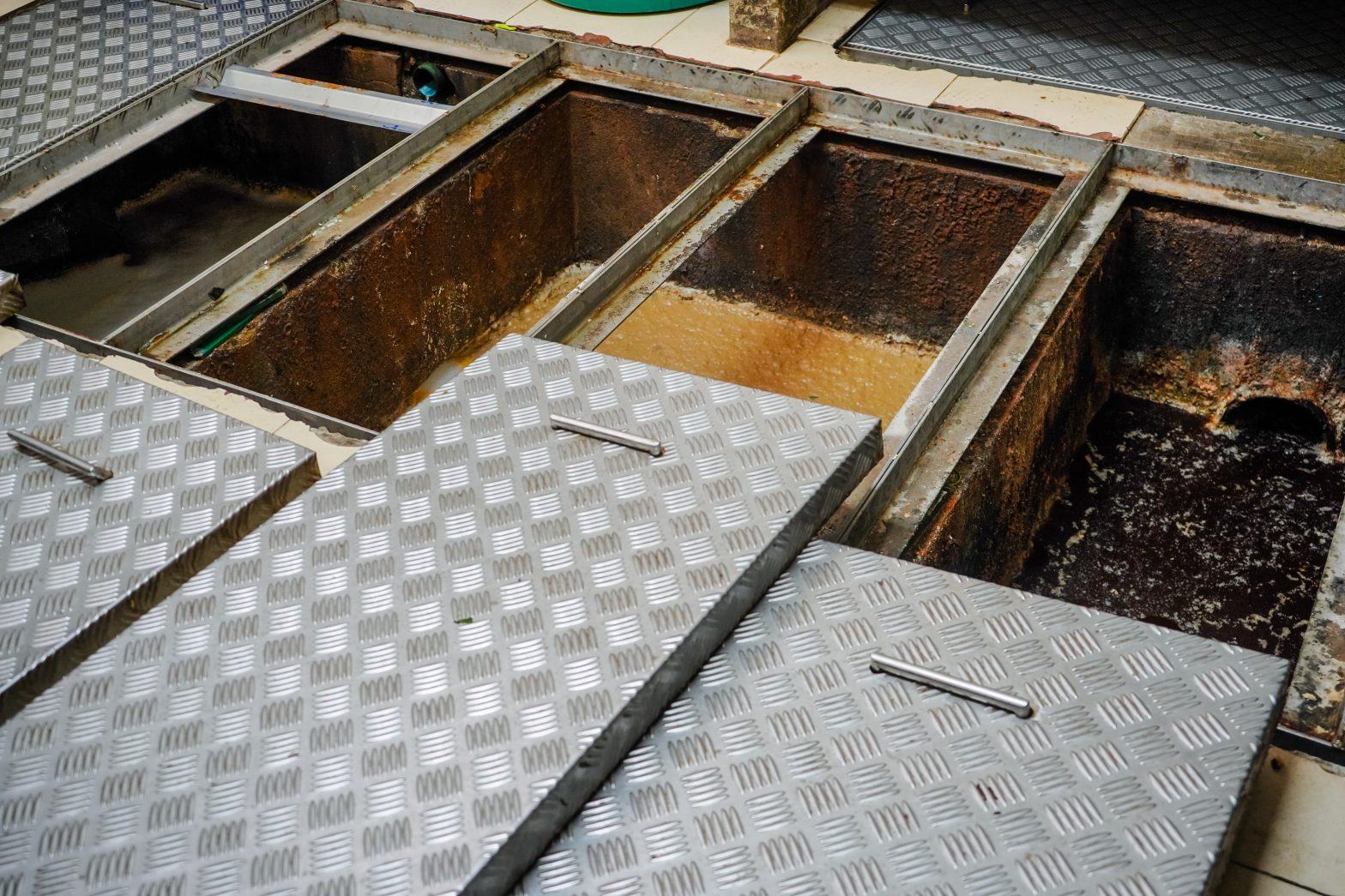
Grease management remains a regulatory priority for commercial kitchens across Ontario. Whether operating a small café or a large restaurant chain, commercial grease trap installation is not optional but a compliance requirement.
Municipalities such as Toronto, Ottawa, and others in the GTA have strict standards tied to environmental protection and sewer system maintenance. Familiarity with municipal by-laws reduces the risk of violations and potential service interruptions.
Overview of Toronto and GTA Regulations
Toronto’s Sewer Use By-law (Chapter 681) mandates grease interceptors for all food service establishments. Every food business that discharges wastewater into the city’s sanitary sewer must follow guidelines that reduce the risk of grease accumulation. Grease traps—also referred to as grease interceptors—must be installed, maintained, and periodically serviced by licensed contractors. Non-compliance may lead to fines or temporary suspension of operations.
Regulations mirror Toronto’s approach in Mississauga, Vaughan, and other GTA municipalities. Each municipality provides its parameters, but the expectation remains consistent: grease trap plumbing installation must meet sizing, flow control, and access standards, followed by maintenance logs and documented service intervals.
Grease Interceptor Requirements
Every commercial grease trap installation must satisfy location-specific sizing and access requirements. Traps must be large enough to handle peak flow volumes, with adequate settling zones and accessible cleanout points. The interceptor must not be buried or obstructed by concrete flooring or walls without proper access panels. Commercial kitchens must install flow restrictors to prevent overloading.
Materials must comply with CSA and Ontario Building Code standards. Some municipalities, including Ottawa and Hamilton, enforce stricter material guidelines, requiring durable stainless or ABS construction. Replacement of outdated or non-compliant units is standard, especially in aging downtown facilities. In such cases, grease trap replacement must be coordinated with local plumbing inspections and municipal approvals.
Inspection and Reporting Standards
Routine inspections are mandatory checkpoints for businesses. Ontario municipalities demand detailed maintenance records that include cleaning dates, the volume of grease removed, and the technician’s credentials. Failure to submit inspection logs during audits can lead to automatic fines or escalated issues.
City officials may conduct surprise inspections after receiving sewer backup reports from nearby buildings. If grease accumulation is found upstream or downstream from a commercial establishment, that business may be held responsible. A documented grease trap plumbing installation and regular cleaning record can prevent liability in such situations.
Some areas in the GTA are also adopting digital reporting platforms. Service contractors input inspection data directly into municipal portals, allowing city engineers to track compliance across zones. Improper installation or maintenance of grease traps may result in suspended discharge privileges under local regulations.
Avoiding Municipal Fines
Grease discharge violations may lead to significant penalties, varying in amount based on the frequency and severity of the infractions. In addition to monetary penalties, the city may order a temporary closure until compliance is achieved. Businesses also risk public disclosure of non-compliance during food safety audits.
Compliance begins with correct commercial grease trap installation by licensed plumbers who are familiar with municipal requirements. Installation must be paired with a scheduled cleaning and documentation process and proper staff training on what can and cannot go down the drain. Outdated or non-compliant equipment is often a contributing factor in grease-related violations. Timely grease trap replacement with code-compliant models can prevent regulatory breaches.
Get Licensed Plumbing Solutions with J.A. Plumbing Inc.
Ontario municipalities continue to increase oversight of commercial kitchens due to the growing strain on sewer systems. A proactive approach to grease trap plumbing installation, maintenance, and reporting keeps businesses in line with local by-laws and reduces operational risk.
To schedule a code compliant grease trap installation or request an inspection service, contact J.A. Plumbing Inc. today. Commercial clients in the GTA can expect direct, code-aligned plumbing solutions.