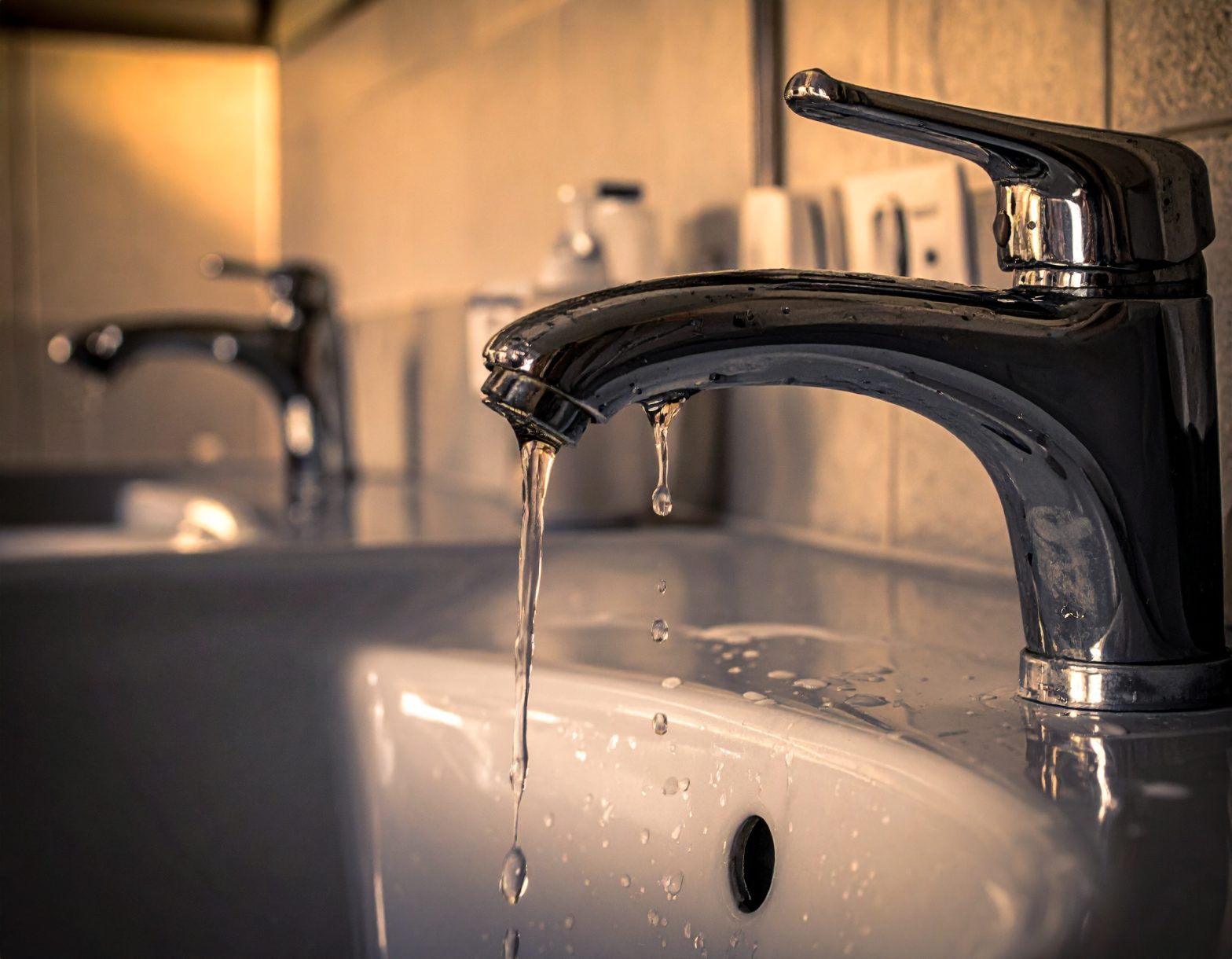
Commercial faucets endure more wear and tear than residential ones due to constant use. A small leak may seem insignificant, but it can quickly lead to water damage, mould growth, and increased costs.
Regular maintenance helps prevent issues related to commercial sink faucets leaking. It also extends the life of faucets and keeps plumbing systems running efficiently.
Why Faucet Maintenance Matters in Commercial Settings
Professional faucet repairs for businesses are more than an annoyance. In commercial environments, such issues can:
- Disrupt daily operations.
- This leads to water waste and increased costs.
- Pose safety hazards from slippery floors.
- Result in poor customer or tenant impressions.
Common Causes of Commercial Faucet Leaks
Before jumping into maintenance steps, it’s useful to understand what typically causes leaks:
- Worn-Out Washers or Seals: These components deteriorate over time due to frequent use and wear.
- Loose or Damaged Fittings: Movement and vibration can loosen connections.
- Corrosion or Mineral Buildup: Hard water can leave deposits that damage internal parts.
- Cracks or Dents in the Faucet Body: Physical damage often leads to slow leaks.
- High Water Pressure: Excess pressure strains faucet valves and seals.
It is all about identifying the root cause at the right time. This will help target the correct repair or replacement part.
Preventive Maintenance Checklist
Proper preventive maintenance supports the long-term functionality of your plumbing system and keeps commercial plumbing fixture repairs manageable. Scheduling the following tasks on a monthly, quarterly, or as part of facility inspections can be helpful.
1. Inspect for Visible Leaks
- Check around handles, spouts, and bases for any damage.
- Monitor water spots or staining on countertops and floors.
- Use a tissue or dry cloth to detect moisture in hard-to-see areas.
2. Tighten Loose Parts
- Handles, aerators, and mounting hardware often become loose with use.
- Technicians should use appropriate tools to secure any moving parts gently.
- Avoid over-tightening, which can damage internal threads.
3. Clean Aerators and Spouts
- Remove aerators and rinse to clear debris.
- Soak in vinegar to dissolve mineral buildup.
- Reassemble carefully to avoid cross-threading.
4. Test Water Pressure
- High pressure can damage internal faucet parts.
- Use a pressure gauge to check if the water pressure is within the standard range.
- Install pressure-reducing valves if necessary.
Also Read:
Common Reasons for Kitchen Faucet Leaks and How to Fix Them
Why Your Bathroom Faucet Smells and What to Do
Common DIY Faucet Repairs That Go Wrong
5. Replace Worn Seals and Washers
- Rubber and silicone components wear out over time.
- Keeping spare parts on-site can reduce downtime.
- Shut off the water supply before disassembly.
Final Thoughts
Faucet maintenance isn’t just a technical chore—it’s a cost-saving measure. Ignoring small commercial sink faucet leaking issues or delaying minor repairs often leads to larger problems. A proactive approach ensures that commercial facilities run smoothly and protects against unnecessary water waste and damage.
Need reliable commercial faucet repair and maintenance? Contact J.A. Plumbing Inc. to schedule a service call today.